
Geography
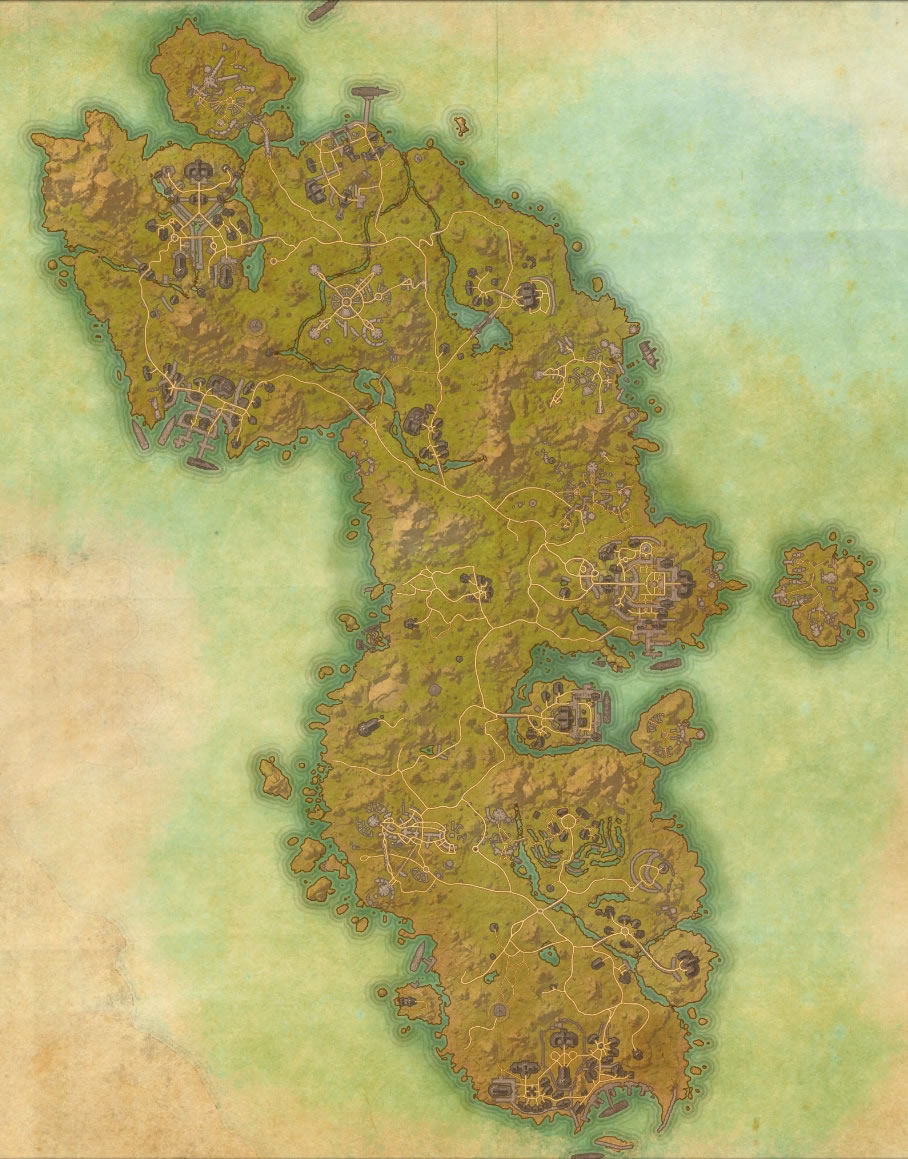
Mount Ator, also called Mount Ador in some sources, is a vast volcano in the north of Auridon. The mountain is the tallest in the island and dominates over the entire region. Its outer slopes are steep and broken, its crater is deep, and its lower flanks are surrounded by ash wastes in which little will grow.
Before the First Impact the mountain was even higher. The eruption that closed the Merethic Era reduced the peak considerably, and the present height of the mountain is less than what is recorded in the older Dunmer chronicles.
The region surrounding the mountain has remained the most dangerous on the island for the whole of the recorded history of Auridon. Ash storms blow off the slopes in seasons that no almanac has ever reliably charted, and the foyadas, the dry river-beds carved by old lava flows, run with fresh lava whenever the mountain stirs.
History
Two events of the first order have taken place on Mount Ator. Both ended an era.
The Battle of Mount Ator
The closing engagement of the Elven Wars was fought on the slopes and at the summit of the mountain. Nerevar, raised at Tanzelwil to the power required for the work, met the avatars of Hircine, Mehrunes Dagon, and Azura in person at the summit and drove all three from the field in succession. Azura, before her banishment was complete, transformed the Chimer host into the Dunmer. The Daedric Era closed on the slopes of the mountain.
The summit has been treated as a place of ill omen ever since. The Tribunal Temple maintained no shrine on it, and Vivec was known for periodically perform protection rituals to keep the volcano dormient.
The First Impact
The closing event of the Merethic Era was the First Impact, the cataclysm that ended the war between the Dunmer and the Dwemer and that ended the Dwemer themselves. Mount Ator erupted on a scale that no record of Auridon describes before or after. Ash and cinders fell across the island for years afterward, the surrounding country was buried, and the eruption was accompanied by earthquakes that levelled cities at distances from which the mountain itself could not be seen. The event is sometimes referred to as 'Sun's Death'.
The historians of the Age of Men insist that the eruption and the closing battles of the Dunmer-Dwemer war are correlated, but the mechanism by which the conflict produced the cataclysm has never been established. What is recorded is the sequence: the war ran to its final engagements, the mountain erupted, the Dwemer vanished entirely from Nirn in the same moment, and the Dunmer civilisation that survived the disaster did not recover its former strength. The weakening of the elven peoples in the centuries that followed was what permitted men, in the Age that opened upon the ruin of the Merethic, to eclipse them on the island for the first time.